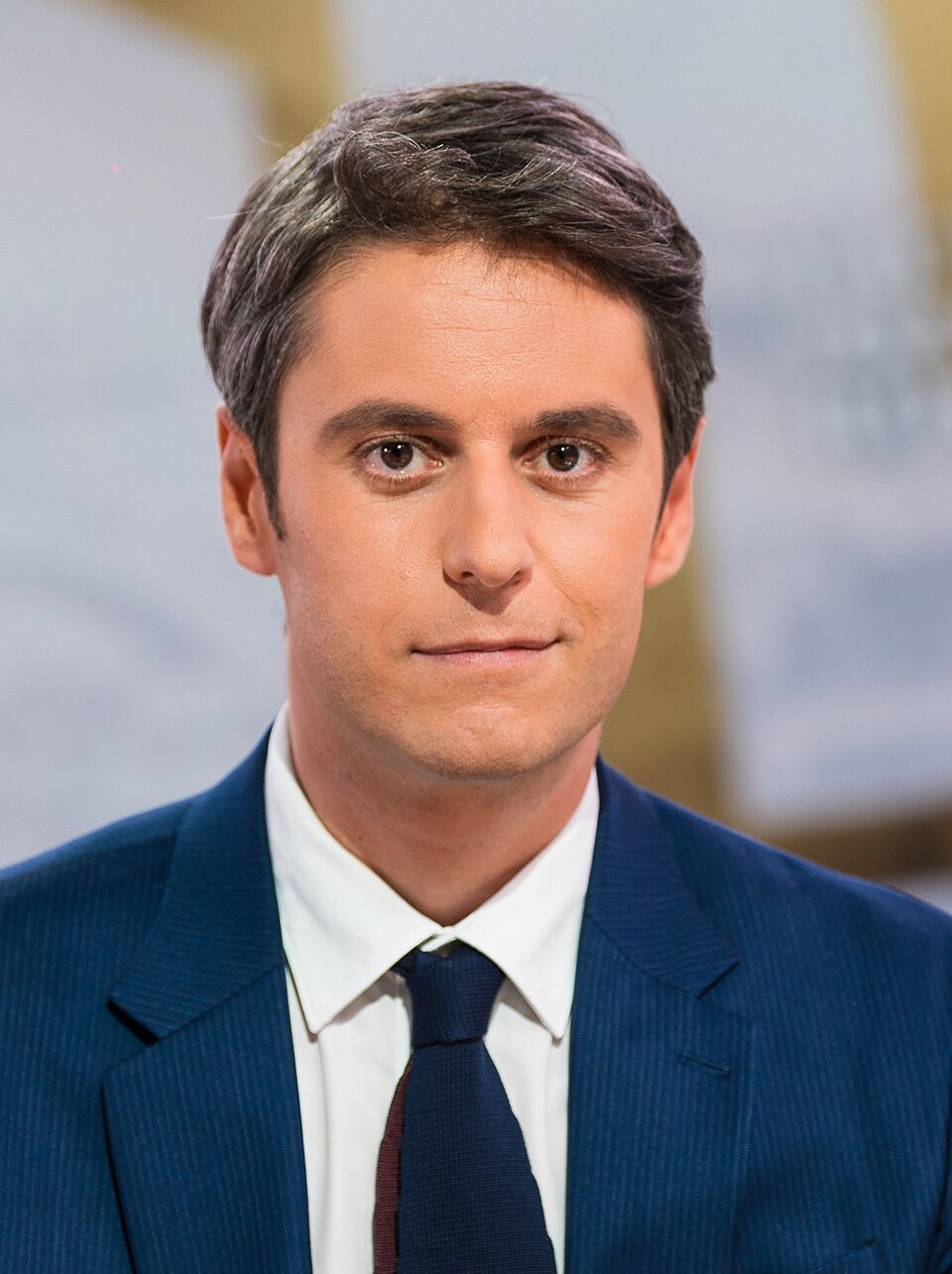
Gabriel Attal: A Rising Star's Potential on the Global Stage
Gabriel Attal's meteoric rise through the ranks of French politics has been nothing short of remarkable. From a young age, he has held significant ministerial positions, capturing public attention with his articulate communication style and decisive approach. Yet, beyond the domestic political arena, a compelling question arises: how might Attal’s unique background and political trajectory position him for a future role in
attal diplomatie internationale? This article delves into the potential pathways and attributes that could see France's prominent figure transition from a national political force to an influential international diplomat, exploring the foundations laid by his diverse experiences and the strategic implications for France's foreign policy.
The journey from domestic political leadership to international diplomacy is often paved with a blend of strategic acumen, deep understanding of global affairs, and the ability to forge consensus across borders. For Attal, this potential pivot is intriguing, especially when considering the breadth of his past responsibilities and the evolving landscape of global challenges that demand sophisticated diplomatic engagement. France, a permanent member of the UN Security Council and a key player in the European Union, consistently requires leaders capable of navigating complex international relations, and understanding how figures like Attal might contribute is vital for projecting future French influence.
The Military Foundation: A Commander's Lens on Global Affairs
While much of Gabriel Attal’s public profile is rooted in his political and governmental roles, his connection to military service offers a unique perspective that can be highly relevant to
attal diplomatie internationale. The reference context highlights his past as a "former commander" in Opération Chammal. This detail, though seemingly minor, is profoundly significant. Opération Chammal represents France's substantial contribution to the international coalition against ISIS in Iraq and Syria, a complex, multi-faceted engagement that combined military action with diplomatic efforts and humanitarian aid.
Serving in such an operation, even if not directly in a diplomatic capacity, imbues a leader with invaluable insights. Military command demands strategic thinking, rigorous planning, and an understanding of geopolitical realities at their most visceral level. Commanders must grapple with logistical challenges, human resource management under extreme pressure, and the intricate dynamics of multinational cooperation. They learn the importance of intelligence, risk assessment, and the delicate balance between force and negotiation. This practical, real-world experience provides a ground-level understanding of conflict zones, the motivations of state and non-state actors, and the challenges of coalition building – all crucial components of effective diplomacy.
For someone like Attal, having direct exposure to the operational realities of international security provides a distinct advantage. It offers a tangible grasp of the stakes involved in foreign policy decisions, the practical limits of military power, and the paramount importance of peaceful resolution when possible. This background fosters a pragmatic outlook on international relations, appreciating the nuances between rhetoric and reality on the ground. Such experience could prove foundational in shaping a future diplomat’s approach to security dialogues, peace negotiations, and international partnerships. It's a different kind of "diplomacy" learned in the field, one that can complement traditional diplomatic training beautifully. For a deeper look into this aspect, consider exploring
Gabriel Attal's Military Past: A Base for International Diplomacy?
Navigating Domestic Tides: Macron's Shadow and Attal's Ascent
Gabriel Attal's political journey has been closely intertwined with that of President Emmanuel Macron. The reference context notes Attal's distancing himself from Macron, a common and often necessary maneuver for ambitious politicians seeking to carve out their own distinct identity and appeal. This navigation of domestic political tides, while seemingly internal, has significant implications for how he might be perceived and operate on the international stage, shaping the future of
attal diplomatie internationale.
A politician's ability to build a strong domestic base and project an image of independent leadership is critical for international credibility. Leaders who are perceived as merely extensions of others, or those lacking a clear personal mandate, often struggle to assert influence in complex diplomatic negotiations. Attal’s efforts to differentiate himself from Macron, while maintaining a degree of loyalty, showcase a strategic political mind capable of balancing different demands. This skill set—juggling competing interests, managing public perception, and building consensus—is directly transferable to the diplomatic arena.
Furthermore, a leader's domestic standing directly impacts their negotiating power abroad. A leader with strong public support and a clear vision for their country's future is better positioned to represent national interests and forge alliances. Attal's rapid ascent and his ability to connect with various segments of the French electorate suggest a charisma and communicative prowess that could be incredibly valuable in multilateral settings. The ability to articulate complex positions clearly, persuade diverse audiences, and project confidence are hallmarks of effective international engagement. His political agility in a challenging domestic environment could be interpreted as a training ground for the intricate dance of global politics, where national interests must be balanced against international cooperation. For more on this dynamic, refer to
Attal's Macron Stance: Impact on Future French Diplomacy.
The Diplomat's Toolkit: Beyond Military Experience and Political Savvy
While military experience and domestic political success provide a strong foundation, the full toolkit of an international diplomat extends much further. For Gabriel Attal to truly excel in
attal diplomatie internationale, he would need to leverage and further develop a specific set of attributes. These include:
*
Exceptional Negotiation Skills: Diplomacy is fundamentally about negotiation. This involves active listening, understanding the "red lines" of all parties, identifying common ground, and crafting win-win solutions. Attal’s experience in contentious parliamentary debates and policy formulation likely honed these skills.
*
Multilingualism and Cultural Sensitivity: While not explicitly stated, proficiency in multiple languages, particularly English, is almost a prerequisite for high-level international roles. More importantly, cultural sensitivity – an understanding and respect for different customs, historical contexts, and communication styles – is crucial for building trust and avoiding missteps.
*
Deep Knowledge of International Law and Geopolitics: A diplomat must be well-versed in the intricacies of international law, treaties, and the historical context of global conflicts and alliances. This requires continuous learning and dedication.
*
Economic Acumen: Modern diplomacy is increasingly intertwined with economic relations, trade agreements, and financial stability. An understanding of global economic trends and their impact on national and international security is vital.
*
Public Speaking and Media Savvy: Representing a nation on the global stage involves frequent public appearances, press conferences, and engaging with international media. Attal’s known eloquence and ease with media would be a significant asset here.
*
Resilience and Patience: Diplomatic processes can be lengthy, frustrating, and subject to frequent setbacks. The ability to maintain composure, persist through challenges, and adapt strategies is paramount.
For any aspiring leader aiming for a significant role in international diplomacy, some practical advice includes: actively seek out opportunities to engage with international organizations, cultivate a network of global contacts, immerse oneself in foreign policy literature, and practice the art of empathetic listening. Understanding the perspectives of others, even adversaries, is often the first step towards finding common ground. Gabriel Attal, with his dynamic public persona and intellectual capacity, appears well-equipped to cultivate these attributes further, should he choose to lean into a more international career path.
France's Global Role and the Attal Factor
France has long prided itself on its tradition of independent diplomacy, its role as a key European leader, and its significant contributions to global security and cultural exchange. As a nuclear power, a permanent member of the UN Security Council, and a driving force within the EU, France's voice carries substantial weight on issues ranging from climate change to security in the Sahel, and from multilateralism to trade.
The prospect of Gabriel Attal playing a more central role in
attal diplomatie internationale introduces an intriguing "factor" into this established framework. His relative youth, combined with his rapid rise, could symbolize a fresh, energetic approach to French foreign policy, potentially appealing to younger generations globally and signalling a modern face for European leadership. In an era where many traditional diplomatic channels are being challenged, a leader with a strong public presence and a clear communication style could be highly effective in advocating for French and European interests.
Consider the ongoing challenges: the war in Ukraine, the complexities of African relations post-colonialism, the shifting power dynamics in the Indo-Pacific, and the imperative for renewed European unity. Attal's capacity for sharp analysis and decisive action, honed in domestic governance, could translate into a robust contribution to navigating these intricate global issues. Whether as a future Foreign Minister, a European Commissioner, or even eventually as President, his influence could steer France's engagement, potentially fostering new alliances or revitalizing existing ones. His commitment to public service, combined with a pragmatic worldview potentially shaped by military exposure, could offer a balanced and effective approach to France's enduring global mission.
Conclusion
Gabriel Attal's journey, marked by significant domestic political achievements and a foundational military background, paints a compelling picture of a leader with immense potential for international engagement. While the provided context does not directly detail his diplomatic exploits, it offers crucial insights into experiences that could uniquely prepare him for a prominent role in
attal diplomatie internationale. His past as a commander in Opération Chammal provides a ground-level understanding of global conflicts and multinational cooperation, while his agile navigation of domestic politics under Emmanuel Macron showcases the strategic acumen required for complex international negotiations. As France continues to assert its vital role on the world stage, a figure of Attal's caliber, with his unique blend of military pragmatism, political savvy, and communicative prowess, stands poised to potentially shape the future direction of French foreign policy and contribute significantly to global diplomacy. The coming years will undoubtedly reveal whether this rising star will indeed transform into a formidable international diplomat, leveraging his distinct experiences to uphold and advance France's global standing.