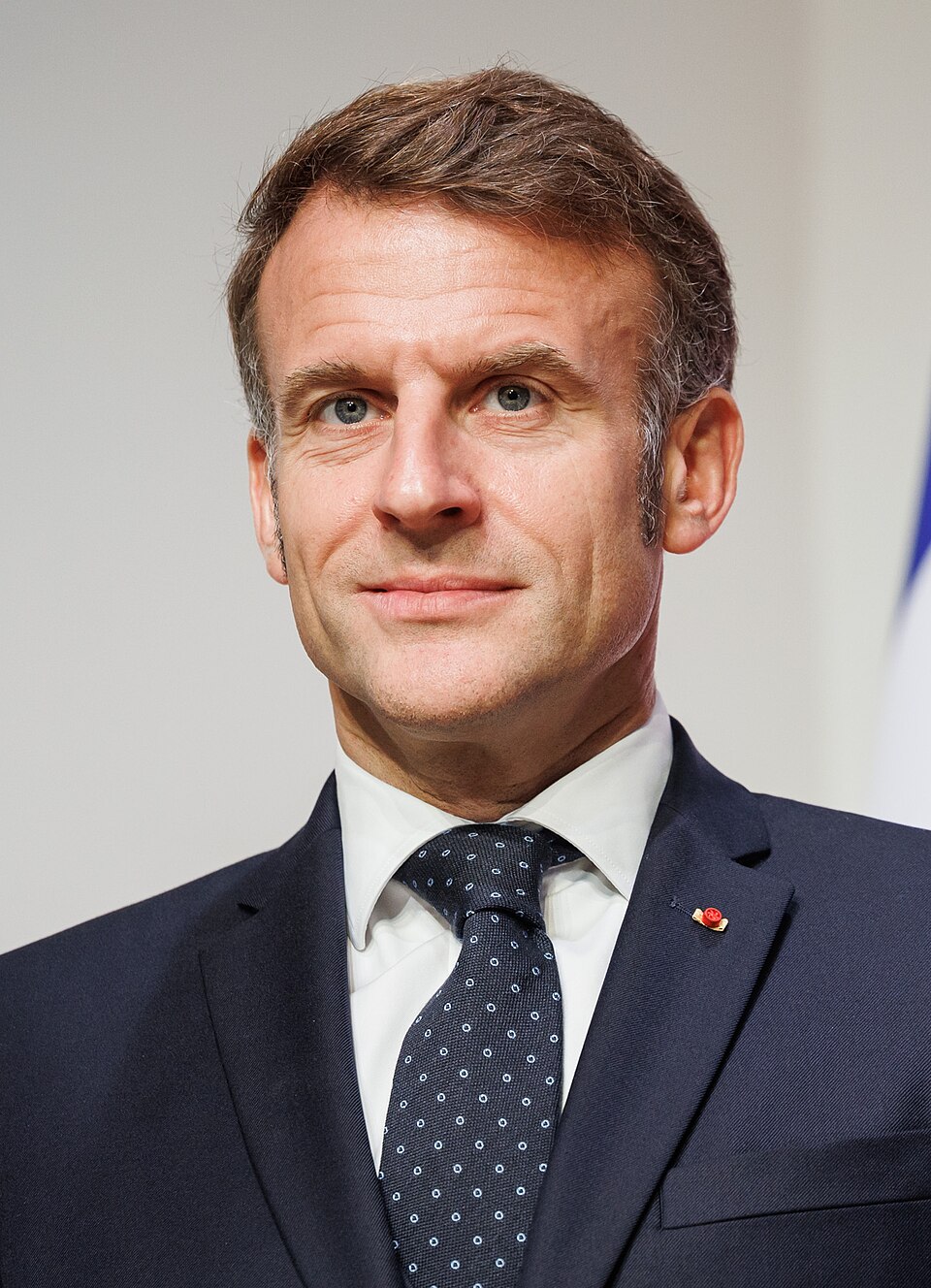
Gabriel Attal's Military Past: A Base for International Diplomacy?
Gabriel Attal's meteoric rise in French politics has placed him firmly in the international spotlight. From his early days as a political advisor to his recent high-profile ministerial roles, Attal has demonstrated a remarkable capacity for leadership and strategic communication. Yet, beneath the polished political persona lies a lesser-discussed aspect of his background: his military service, specifically his tenure as a former commander in Opération Chammal. This raises a compelling question: could this military experience, forged in the crucible of real-world conflicts, provide a unique and powerful foundation for a future role in Gabriel Attal: From Chammal Commander to International Diplomat?, shaping his approach to global affairs and positioning him as a formidable figure in
While often perceived as distinct spheres, the worlds of military command and international diplomacy share surprising common ground. Both demand strategic foresight, crisis management, an understanding of complex geopolitical landscapes, and the ability to operate under immense pressure. Exploring how Attal’s military background might intersect with and inform his potential diplomatic trajectory offers valuable insights into the evolving nature of leadership on the global stage.
The Rigors of Military Service: A Foundation for Diplomacy?
Military service, particularly in active operations, is an unparalleled school for leadership, resilience, and strategic thinking. Unlike purely theoretical exercises, commanders in the field face immediate consequences for their decisions, often under extreme duress. These experiences cultivate a set of skills that are profoundly relevant to the demands of international diplomacy.
- Crisis Management: Military leaders are constantly trained and tested in managing crises, from logistical challenges to direct combat scenarios. This instills a calm under pressure and a capacity for rapid, effective decision-making that is invaluable when navigating international incidents or delicate negotiations.
- Strategic Thinking: Beyond the tactical, military operations require a deep understanding of strategic objectives, resource allocation, and long-term implications. This mirrors the need for diplomats to formulate foreign policy goals, anticipate global shifts, and manage complex international relationships over time.
- Leadership and Teamwork: Commanding troops demands clear communication, the ability to inspire confidence, and fostering cohesive teamwork towards a common goal. On the diplomatic stage, these skills translate into leading delegations, building international coalitions, and fostering consensus among diverse parties.
- Cross-Cultural Exposure: Operating in foreign lands inherently exposes military personnel to diverse cultures, languages, and political systems. This firsthand experience, while different from a diplomat's role, can cultivate an essential understanding and respect for cultural nuances, a critical component of effective
attal diplomatie internationale .
For a figure like Gabriel Attal, who served as a commander in Opération Chammal, these aren't just theoretical attributes but lived experiences. Opération Chammal, France's contribution to the international military intervention against ISIS in Iraq and Syria, was a complex, multinational effort. It involved coordinating with diverse allies, understanding regional power dynamics, and addressing highly sensitive security and humanitarian concerns. This is far from a simple military exercise; it's a microcosm of the challenges faced in contemporary international relations.
Leadership Under Pressure: A Diplomat's Imperative
The ability to lead under pressure is perhaps one of the most transferable skills from a military career to diplomacy. In the military, failures in leadership can have immediate and grave consequences. This environment cultivates a unique form of decisiveness and accountability. For a diplomat, while the stakes might manifest differently (e.g., economic sanctions, political isolation, humanitarian crises), the need for clear leadership during high-stakes negotiations or international disputes remains paramount.
Imagine a situation where a diplomat must negotiate a complex peace treaty or respond to a sudden geopolitical crisis. The composure, strategic analysis, and ability to rally a team—all honed in military command—become indispensable. Gabriel Attal's experience would have taught him not only to issue commands but also to understand the implications of those commands across various levels, from the strategic level down to the individual soldier or civilian impact. This layered understanding of consequence can lend significant weight to a leader's diplomatic approach.
Furthermore, military leaders often develop a robust network of contacts across different nations and military branches. These relationships, built on shared experiences and mutual respect, can sometimes transcend political differences and provide invaluable back channels for communication and cooperation, laying groundwork for future diplomatic endeavors.
Opération Chammal: A Microcosm of Global Challenges
Opération Chammal was not merely a combat mission; it was a multifaceted engagement reflecting the complexities of 21st-century international relations. Its objectives extended beyond military force to include training local forces, providing humanitarian aid, and participating in an international coalition. As a former commander, Gabriel Attal would have been exposed to these various dimensions, even if his direct role was military.
- Coalition Building: Opération Chammal involved numerous nations. Understanding the intricacies of working within such a coalition—managing differing national interests, communication protocols, and strategic priorities—is a skill directly applicable to multilateral diplomacy.
- Understanding Non-State Actors: The fight against ISIS highlighted the rise of powerful non-state actors and their impact on global security. Military leaders on the ground gain unique insights into the motivations, structures, and networks of such groups, which is crucial for informing counter-terrorism policies and broader international security strategies.
- Regional Instability and Humanitarian Concerns: The conflict in Iraq and Syria underscored the profound human cost of instability. Military personnel are often first responders or witnesses to humanitarian crises. This firsthand perspective can imbue a future diplomat with a deeper empathy and urgency when addressing issues of refugee flows, aid distribution, and post-conflict reconstruction.
- Projection of Soft Power: Even within a military context, nations often engage in activities that project soft power – training local forces, building infrastructure, fostering goodwill. Understanding how to integrate these elements with hard power is a subtle yet vital lesson for any leader aspiring to excel in
attal diplomatie internationale .
This exposure means Attal's understanding of global security threats would likely be grounded in practical experience, not just theoretical study. Such a foundation can provide immense credibility and a pragmatic edge in international negotiations, particularly those concerning security, peace-keeping, or crisis intervention. It suggests a leader who understands the realities on the ground, not just the rhetoric from a distance.
Bridging Military Experience with Diplomatic Acumen: Attal's Potential Trajectory
While military experience offers a robust foundation, the transition to effective international diplomacy requires additional cultivation of specific skills. A successful diplomat leverages their understanding of power dynamics and conflict resolution but also masters the art of negotiation, cultural sensitivity, and economic statecraft. For Gabriel Attal, his political career already demonstrates a capacity for adapting and evolving his leadership style.
His rapid ascent through the ranks of French politics, coupled with his ability to navigate complex domestic political landscapes (such as his perceived Attal's Macron Stance: Impact on Future French French Diplomacy), suggests a leader capable of strategic maneuvering and coalition-building. These are, in essence, diplomatic skills applied to a domestic context. The challenge and opportunity for
The synergy between military and diplomatic experience lies in the comprehensive understanding of national interest. A military background provides insight into the 'hard power' aspects – defense, security, deterrence – while a strong diplomatic skill set focuses on 'soft power' – alliances, cultural exchange, economic partnerships, and moral suasion. A leader who can effectively integrate both understands the full spectrum of tools available for advancing a nation's agenda.
Practical Tips for Aspiring Diplomatic Leaders with Military Backgrounds:
For any individual, including a prominent figure like Gabriel Attal, looking to transition from military command to the highest echelons of international diplomacy, certain areas are key for development:
- Cultivate Nuanced Communication: While military commands are direct, diplomacy often requires subtle language, indirect messaging, and the art of implication. Mastering these nuances is crucial.
- Deepen Cultural Intelligence: Beyond general exposure, actively studying specific cultures, their histories, and their negotiation styles can significantly enhance diplomatic effectiveness.
- Embrace Economic Statecraft: Understanding global economics, trade agreements, and financial instruments is increasingly critical for modern diplomacy, often as important as security concerns.
- Prioritize Soft Power Tools: While familiar with military might, a focus on cultural exchange, humanitarian aid, and public diplomacy can build enduring relationships.
- Foster Consensus-Building: Diplomacy often involves finding common ground among adversaries or disparate allies. Shifting from a command structure to a collaborative one is essential.
Conclusion
Gabriel Attal's military past, particularly his experience as a commander in Opération Chammal, offers more than just a footnote in his biography. It represents a potential bedrock of valuable skills and perspectives that could profoundly shape his approach to international diplomacy. The rigorous demands of military service—leadership under pressure, strategic thinking, crisis management, and firsthand exposure to complex geopolitical realities—are highly transferable assets in the arena of global affairs. While diplomacy undoubtedly requires its own distinct set of competencies, Attal’s background could provide him with a unique blend of practicality and resilience, enabling him to approach international challenges with both a strategic mindset and a grounded understanding of the human and geopolitical stakes. As he continues his political journey, the question remains whether this military foundation will indeed serve as a powerful launching pad for a prominent role in